
Wood-Fired Steaks: What Live Fire Does to Flavor, Texture & Crust
Wood-Fired Steaks: What Live Fire Does to Flavor, Texture & Crust
The perfect steak is more than just the cut of beef you order. Heat, cooking time, surface browning, and even the fuel's aroma all affect your experience when enjoying steak. Wood fired steak combines these elements with a distinct cooking method that relies on burning wood to produce heat, flavor, and texture.
Here's what makes cooking steak over wood different from other methods, why wood-fired steaks develop distinctive flavors and textures, and what this approach can bring to your next dinner.
What Is Wood-Fired Steak?
Wood-fired steak refers to the heat source. Ribeye, strip steak, hanger steak, and filet can all be cooked over wood, although the way they respond to heat will vary based on thickness, fat content, and muscle structure.
Depending on the setup, a wood fired grill can expose the steak to direct flames, glowing embers, or radiant heat from the surrounding fire. A wood fired grill gives chefs another way to manage these conditions and develop the exterior of the meat.
Why Cook Steak Over Wood?
Restaurants choose live-fire grilled steak cooking for a few reasons:
- Intense heat: High temperatures encourage browning reactions on the surface of the meat. These reactions create savory aromas that complement the inherent flavor of beef.
- Smoke and aroma: As wood burns, it releases aromatic compounds. Depending on the type of fire and length of cooking time, this can contribute a subtle smoky flavor.
- Texture: The contrast between a browned exterior and the steak's tender interior is one of the characteristics people look for in a good steak. Cooking live fire steak gives chefs a way to build that contrast.
How Does Wood-Fired Steak Get Its Crust?
A Maillard reaction for steak creates its browned exterior. It occurs when amino acids and sugars react under high heat, creating the savory flavors and aromas associated with roasted meat. This process is central to steak browning, helping develop the rich flavor and color that make a good sear so appealing.
If you're curious about how steak gets a crust, it's through a combination of high heat, surface browning, and careful temperature control. Chefs must manage the fire and cooking time to develop the steak crust without overcooking the meat.
Finally, despite a common misconception, a steak sear doesn't "lock in the juices." Searing adds color, flavor, and texture, but a seared steak can still lose moisture as it cooks. Internal temperature, steak thickness, and total cooking time all help determine how juicy the finished steak will be.
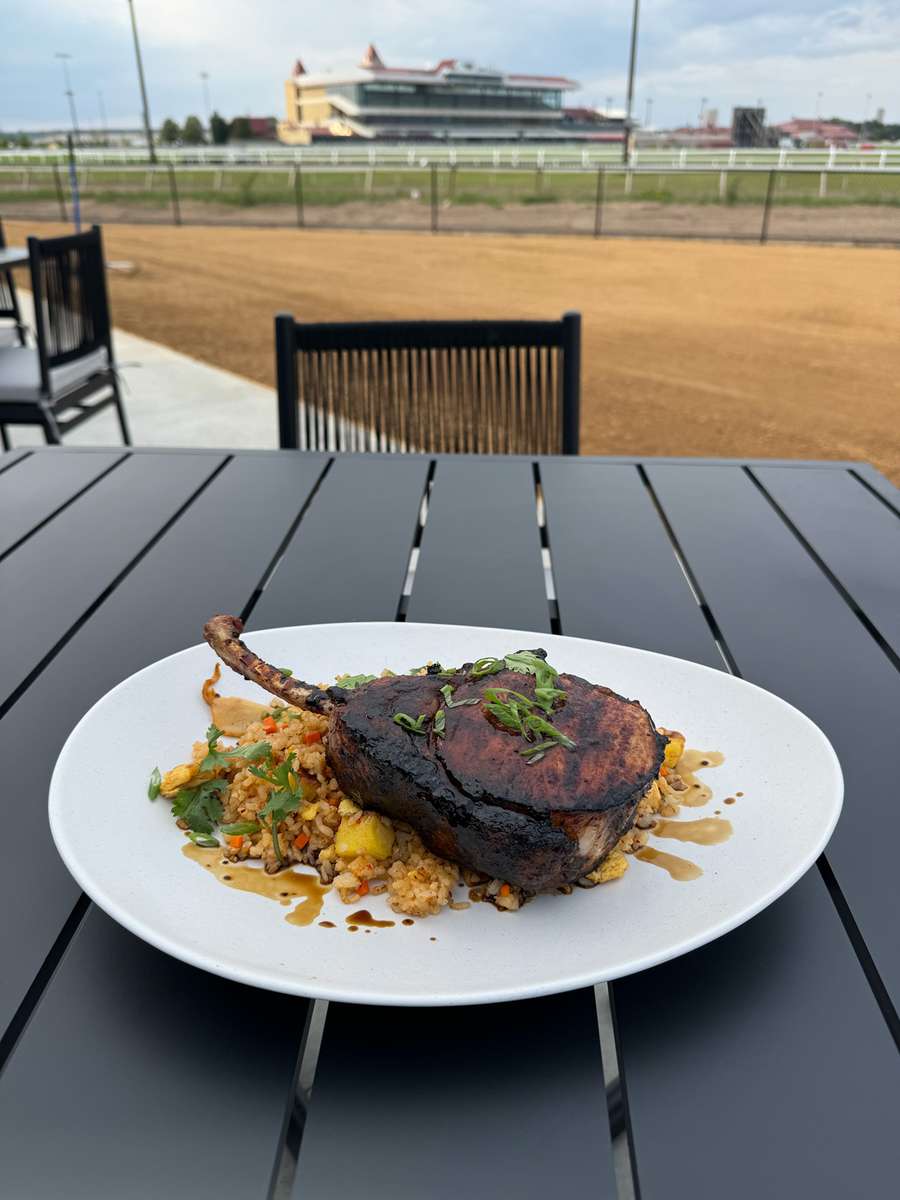
What Does Wood Fire Add to Steak Flavor?
Few things are more appealing than wood fired steak flavor when it's done right. But what creates that appeal? Part of the answer lies in how steak cooks over wood.
Here are the main ways cooking over wood can influence steak flavor:
- Browning produces roasted, savory flavors
- When fat renders into the meat, it adds richness
- Steak cooked over intense heat can acquire toasted or lightly charred flavors
- Exposure to wood smoke may impart steak with additional aromatics
The result may resemble a smoke grilled steak, although a wood fire can also produce a more subtle flavor profile. The character of wood smoke steak depends on the fire, the fuel, and how much heat exposure the meat receives.
Is Wood-Fired Steak the Same as Smoked Steak?
Although both may involve wood and smoke, they use heat in different ways.
While open fire cooking can expose steak to both direct heat and smoke, traditional smoking generally relies on a longer period of smoke exposure, and often at a lower cooking temperature. This allows the smoke more time to mingle with the food's natural flavors.
Some chefs may overlap these techniques, cooking steak with smoke in addition to high heat, but fire cooked steak and smoked beef are not the same thing.
Wood-Fired vs. Charcoal-Grilled vs. Gas-Grilled Steak
| Cooking Method | Heat Source | Typical Characteristics | Heat Control |
| Wood fire | Burning wood and embers | High heat with possible wood and smoke aromas | Fire changes continuously and requires active management |
| Charcoal | Charcoal or briquettes | Strong radiant heat and grilled flavor | More variable than gas |
| Gas | Gas burners | Consistent heat with less flavor contribution from the fuel | Usually easiest to regulate |
When comparing different steak cooking methods, people often focus on the differences between wood vs charcoal grilling and gas grilling, particularly when it comes to aroma, consistency, and heat control.
Comparing wood fired vs charcoal grill cooking isn't quite as simple. A wood-fired grilled steak may develop aromas associated with burning wood, while a flame grilled steak can develop pronounced browning and char depending on its exposure to direct flame.
Why the Type of Wood Can Matter
Different types of hardwood burn differently, resulting in varying levels of heat, aromatics, and smoke, depending on the fuel.
In wood fire cooking, the fuel needs to provide suitable heat while producing aromas that complement the food. The goal is not to maximize smoke but to create a cooking environment that supports the desired flavor and texture.
When cooking over a wood fire, consistency is almost as important as aroma. Wood that smokes excessively or burns unpredictably can make temperature control more difficult.
Live Fire Requires More Attention Than a Temperature Dial
You can often leave a gas grill on the same setting for extended periods, but because fire burns down over time, cooking with wood requires more active management. This is part of what makes cooking steak over live fire unique. Rather than adjusting a temperature dial, chefs cook by responding to changes in the fire. The same concept applies to wood fired cooking in general.
This hands-on approach is a defining feature of live fire cooking steak.
How Fat Behaves Over Live Fire
Fat contributes both flavor and texture to steak. As steak heats up, its fat begins to render into the meat. This process adds richness while changing the steak's texture. This process isn't unique to steak over a wood fire, but the fire's size and intensity influence how it behaves.
For example, fattier cuts of steak will produce more rendered fat than leaner cuts with little visible fat. Thickness also plays a role by influencing how quickly heat reaches a steak's interior.
Does the Cut of Steak Matter?
Yes! The way a steak cooks over live fire depends on its cut. Fat content, tenderness, thickness, and muscle structure all vary between cuts.
- Ribeye: Due to its higher fat content, this steak will likely produce more rendering as it cooks.
- Strip steak: Has a rich beef flavor with good structure and tenderness.
- Hanger steak: This cut has more pronounced grain and beefy flavor than other cuts of steak.
- Filet: One of the tenderest steaks available. It has less fat than other cuts.
Why Resting Still Matters
Just because a steak comes off the fire doesn't mean cooking stops. Resting allows heat to further distribute through the meat.
There's no universal time that works for every type or cut. The size, thickness, and cooking methods all affect how long you should let a steak rest.
Steak Is More Than the Meat
Great steak dishes aren't all about achieving the perfect brown color or ideal degree of doneness. Ingredients on the rest of the plate can help balance the steak's richness, adding contrasting textures and flavors to round out the meal.
Vegetables, herbs, and bitter greens contribute brightness. Acidic ingredients like tomatoes cut through richness, while potatoes and other savory sides add heft. Sauces can amplify flavor without overpowering the natural taste of the beef.
What Drinks Pair Well With Wood-Fired Steak?
Pairing drinks with steak depends on the same balance of richness, browning, and complementary flavors, making steak and cocktails an appealing combination for a restaurant meal.
Bright acidic ingredients can help counteract a steak's richness, while bitter ingredients can help balance its fat. Earthy, roasted, or smoked flavors might echo what's happening in the fire, while bright citrus or herbs add lightness to a dish.
Check out our guide to pairing seafood and cocktails for more ideas on how complementary flavors can elevate a meal.
Wood-Fired Cooking at Boardwalk
Curious about what to expect from a wood fired steak restaurant? Boardwalk Kitchen & Bar serves wood-fired food as part of a broader scratch-made American menu. As a live fire restaurant in Shakopee near Canterbury Park, Boardwalk connects food and drinks with the local entertainment scene.
For diners exploring a scratch kitchen in Shakopee, Boardwalk offers a broader American dining experience in which cooking techniques contribute to the character of the menu. Whether you're meeting friends for dinner, celebrating a date night or grabbing a bite before or after an event at Canterbury Park, wood-fired cooking is part of a larger dining experience.
Our food culture at Boardwalk also plays into this approach. Read about East Coast dining found in the heart of Minnesota to learn more about our restaurant's personality and concept.
Where to Try Wood-Fired Steak in Shakopee
Looking for a steak restaurant in Shakopee near Canterbury Park? Boardwalk Kitchen & Bar serves scratch-made American food featuring live-fire cooking. Whether you're searching for steak in Shakopee, MN or exploring steak in Shakopee dining options, our menu offers a variety of dishes to enjoy.
Planning dinner before an event or meeting friends for steak and cocktails? Check out our guide to the top happy hour spots in Shakopee for more ideas for a night out.
If you're looking for wood fired steak near me or comparing Shakopee steak restaurants, browse our dinner menu to see our latest offerings, get ideas from our Shakopee date-night guide, or discover resort style dining in Minnesota.
FAQs
What is wood-fired steak?
Wood-fired steak is steak cooked with heat from a wood fire. Depending on the equipment used, it may cook over flames or coals, resulting in a browned exterior with or without some wood-fired aromatics.
Does wood-fired steak taste smoky?
Sometimes. Smoke can be strong or mild, depending on the wood type, fire characteristics, length of cooking, and exposure to smoke. You can end up with a perfectly roasted beef flavor with just a hint of smoke.
What's the difference between wood-fired and grilled steak?
Grilling describes a cooking method that typically uses direct heat, while wood-fired describes the fuel source. A wood-fired grilled steak is cooked using heat from burning wood, while grilled steak can also be prepared over charcoal or gas.
Is wood-fired steak the same as charcoal-grilled steak?
No. Wood fired steak can have some wood aromatics, whereas charcoal brings its own flavor to the table.
Why does steak develop a brown crust?
Steak browns as a result of the Maillard reaction. When enough heat is applied to the surface, amino acids and sugars react to create new flavorful compounds and brown color.
Does searing steak seal in the juices?
No. While searing adds flavor and texture to the surface of the meat, it doesn't seal in anything. Doneness and total cooking time are more influential on the steak's juice levels.
What type of wood is used for cooking steak?
The best woods for cooking steak are typically hardwoods with good heat output, long burn times, and desirable smoke flavors.
Is wood-fired steak the same as barbecue?
In most cases, no. Barbecue is often cooked over longer periods of time at lower temperatures, usually with longer smoke exposure.
Where can I try wood-fired steak in Shakopee?
Boardwalk Kitchen & Bar, near Canterbury Park, includes wood-fired cooking on its American-inspired menu.